

Farm Net Zero was a partnership working with farms in East Cornwall to reduce greenhouse gas emissions while improving resilience and productivity.
Using on-farm trials, monitoring and farmer-led learning, the project identified practical actions that work in real farm systems.
Use the roadmaps below to explore these actions step by step and identify what could work on your farm.
Built using real farm data and farmer experience:

Real Farm Trials
Actions were tested through practical trials on working farms.
[popup_anything id="3814"]
Tested on Local Farms
Recommendations come from farm businesses in Cornwall.
[popup_anything id="3815"]
Farmer-led Learning
Knowledge was shared through events, workshops and conferences.
[popup_anything id="3816"]
Practical Actions
Focused on realistic changes farms can adopt today.
[popup_anything id="3817"]
Your Journey to Net Zero Starts Here
Every farm is different, but there are clear steps that can help reduce emissions and improve efficiency.
This is not a one-size-fits-all approach — it’s about identifying what works for your farm.
The roadmaps below bring together practical actions tested through the Farm Net Zero project.
Each one is organised as a step-by-step pathway, helping you build from the basics through to more advanced practices.
Start by selecting your enterprise, then explore actions at your own pace.
Select your pathway to begin:
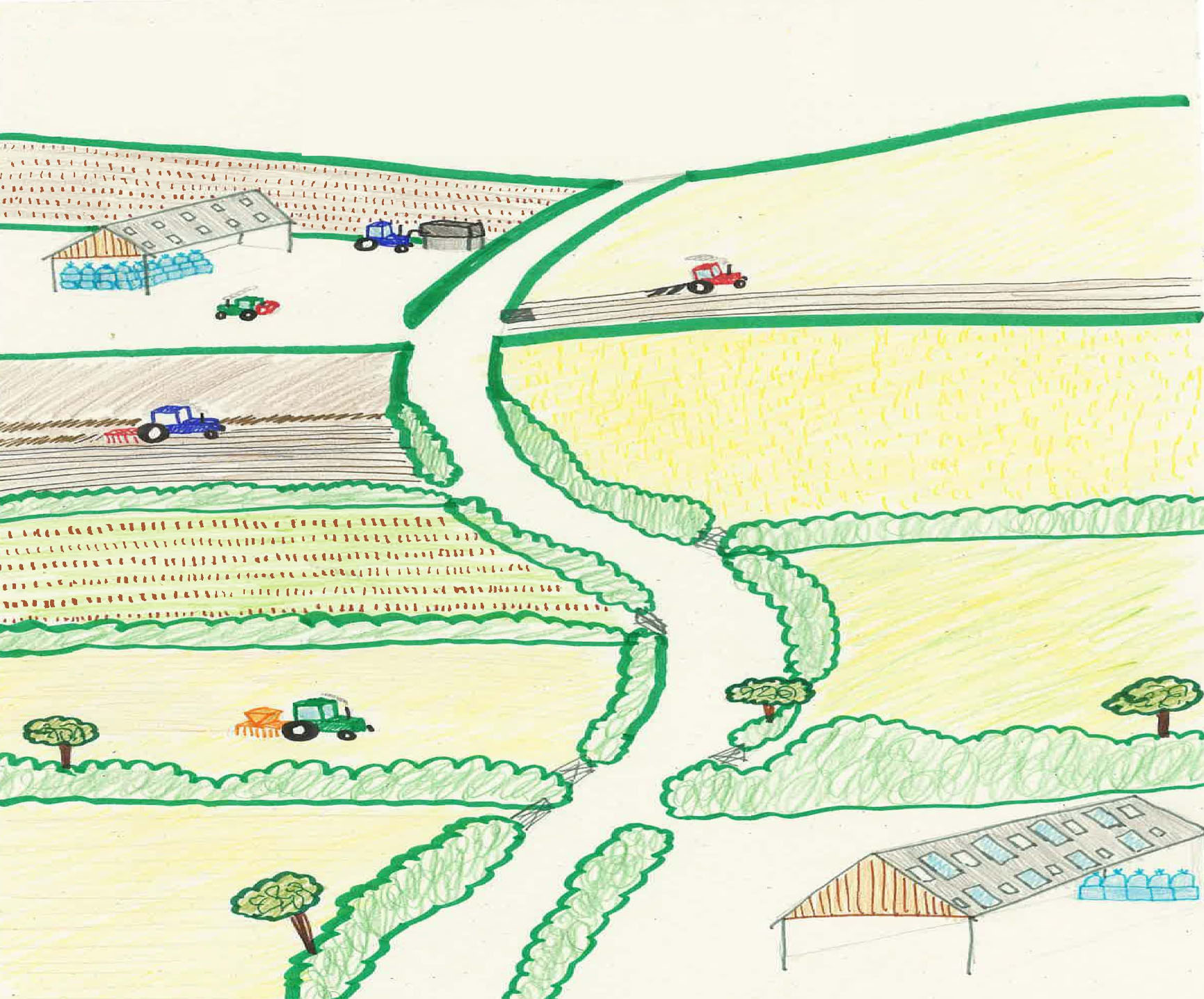
This roadmap shows the key stages at a glance.
Expand the steps below to explore each action and access supporting resources.
Arable emissions mainly come from fuel use and inputs such as fertiliser and sprays.
Start with the soil
Soil Testing identifies the distribution of nutrients across a farm, allowing for targeted applications of fertilisers.Measuring and Assessing Soil Carbon creates an understanding of existing carbon stocks on farm. Increasing soil carbon content can offset emissions.
Earthworms are an important part of a healthy farm ecosystem, cycling nutrients and aerating soil.
The importance of managing soil pH is a vital part of reducing emissions from artificial fertiliser because incorrect soil pH disrupts fertiliser efficiency.
Soil Compaction affects crop productivity and can require the use of excess fuel to remediate issues and fertiliser to boost productivity.
Joel Williams at Prideaux provided a valuable insight into the process of soil carbon cycling and storage.
Grow hedges thicker and taller
Hedgerows for carbon capture are an important feature of the farmed landscape, as well as having major biodiversity benefits.
“Hedges, a win-win” reports on an event held on a FNZ farm where they manage their hedgerows to increase biodiversity and carbon capture.
Use cover crops
Cover crops protect soil from erosion and compaction between cash crops. The living roots can also help to maintain carbon inputs into the soil.
Outwintering on forage/cover crops integrates livestock into arable. With appropriate management, this can boost soil nutrient cycling.
Grazed winter cover crops can include a range of plant species. This factsheet details which species grew best on Cornish farms.
“Trial: Overwinter grazing at Ennis Barton, Blable and Tregooden Farms” details the results of trialling cover crops for outwintering cattle and the effect on soil health on three FNZ farms.
Use minimum tillage to establish crops where possible
“Maize and soil health: how it adds up” summarises a trial by FNZ monitor farmers on reducing tillage in maize production and subsequent crops. Reduced tillage led to lower fuel use, with associated emissions reductions, and protected soil carbon from disturbance.
“Maize: maximising soil health and crop yield” highlights the benefits of reduced tillage and interrow cover crops in maize production.
Reduce artificial nitrogen fertiliser use
Reducing Nitrogen Usage in Crop Production is a key part of reducing the farm’s carbon footprint, as artificial nitrogen has a high carbon footprint.
“Best Practice for Fertiliser Use Efficiency” explains the benefits of optimising fertiliser application to mitigate any negative environmental effects.
Getting Started with Foliar Feed can help to reduce the use of high emissions artificial fertiliser.
Foliar Fertiliser with Tow & Fert is one method of applying liquid inputs to both arable and grass crops
Reduce chemical inputs
“Diversity and Efficiency – the Journey at Pensipple” details the steps that one FNZ farm is taking to reduce the footprint of wheat production.
“Wheat: alternative options for the control of Septoria” provides more information on the Septoria trial at Pensipple.
Population wheat can be one method of boosting the resilience of wheat crops, reducing their chemical inputs.
Emissions on beef and sheep farms mainly come from livestock, fertiliser and bought-in feed. The roadmap below outlines practical actions to reduce emissions and improve resilience.
Start with the soil
Soil Testing identifies the distribution of nutrients across a farm, allowing targeted fertiliser use.
Measuring and assessing soil carbon helps understand existing stocks and opportunities for sequestration.
Earthworms improve soil structure and nutrient cycling.
Managing soil pH enhances fertiliser efficiency and reduces emissions.
Soil compaction reduces productivity and increases input requirements.
Joel Williams at Prideaux provided insight into soil carbon cycling and storage.
Grow hedges thicker and taller
Hedgerows support biodiversity and capture carbon.
“Hedges, a win-win” highlights management approaches that benefit both productivity and the environment.
Manage grazing and pasture quality
Grazing management is a crucial part of addressing emissions on livestock farms, through reduced inputs (artificial fertiliser and bought-in feed).
“Herbal Leys, the hows and whys” explained the many benefits of herbal leys and how to manage them effectively.
“Let’s Talk About Grass” covered the practicalities of rotational grazing, including forage budgeting, electric fencing and water supply.
Overseeding herbal leys into permanent pasture is one method of boosting productivity with few high-emissions inputs.
“How to rejuvenate pastures” featured a rotaseeding demonstration to establish a herbal ley in one pass, reducing fuel use.
“Overseeding permanent pastures with herbal leys” covers the results of a trial on different overseeding techniques on one FNZ monitor farm.
Conservation Grazing can be a useful option for low-input cattle rearing, while benefiting biodiversity.
“Pastures for Lambs” details the results of a FNZ Field Lab on different sward mixes for weaned lambs, and how they affect the lamb worm burden.
The FNZ Sheep Conference covered several topics on reducing the footprint of sheep farming, including herbal leys and parasite management.
Reduce artificial nitrogen fertiliser use
Getting Started with Foliar Feed can help to reduce the use of high emissions artificial fertiliser.
Foliar Fertiliser with Tow & Fert is one method of applying liquid inputs to both arable and grass crops.
Reducing Nitrogen Usage in Crop Production is a key part of reducing the farm’s carbon footprint, as artificial nitrogen has a high carbon footprint.
“Best Practice for Fertiliser Use Efficiency” explains the benefits of optimising fertiliser application to mitigate any negative environmental effects.
Use cover crops and outwinter livestock
Outwintering on forage/cover crops with appropriate management, can be a useful method of reducing emissions through lower winter machinery work.
Cover crops protect soil from erosion and compaction between cash crops. The living roots can also help to maintain carbon inputs into the soil.
Grazed winter cover crops can include a range of plant species. This factsheet details which species grew best on Cornish farms.
“Trial: Overwinter grazing at Ennis Barton, Blable and Tregooden Farms” details the results of trialling cover crops for outwintering cattle and the effect on soil health on three FNZ farms.
Use greenwaste compost for bedding and fertiliser
A Nutrient Comparison of Compost, Dirty Compost Bedding from Blable Farm and Farmyard Manure per Tonne identified the high nutrient value of compost.
Explore agroforestry
Integrating livestock and trees can help reduce a farm’s carbon footprint as trees sequester carbon. They also have multiple benefits for livestock welfare.
Trees for Forage can be a useful method of gaining the environmental benefits of tree planting while maintaining farm productivity.
Explore Farm Net Zero Resources
Browse guides, factsheets, videos and event reports produced through the Farm Net Zero project.
Enterprise
Topic
Monitoring Soil Carbon
Practical guidance for measuring and monitoring soil carbon across a farm.
View Factsheet →
Hedges, a win-win
Practical insights into hedgerow management, biodiversity and carbon capture.
Read Report →
The Incredible Role of Dung Beetles
Learn how dung beetles support soil health, nutrient cycling and biodiversity on livestock farms.
Watch Video →